Jazz in Japan – Our Cultural Atonement
By Peter Olney and Christina Perez
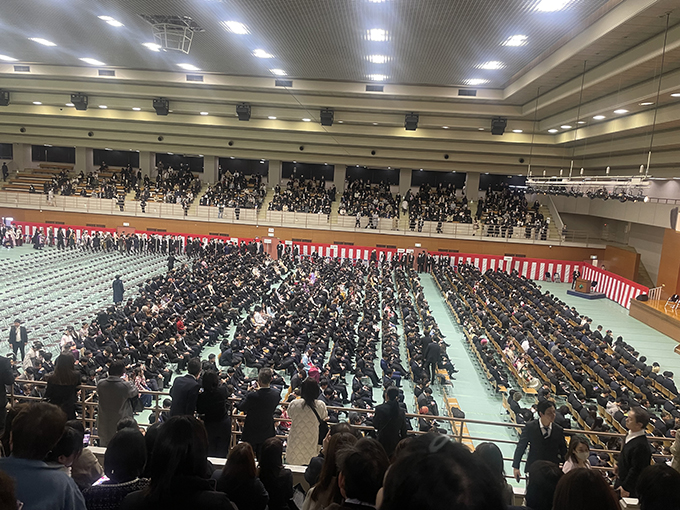
The month of March was chosen for our trip to Japan for our son Nelson’s graduation on March 12th. Nelson graduated from the Nihon Kogakuin College of Hachioji. The ceremony was massive with 1500 students graduating from vocational schools ranging from Manga to Masonry. Half of the graduates were women. Nelson graduated from the electrical program and has begun work at a Japanese electrical capital equipment manufacturer. We watched from the balcony with the other parents and when the ceremony was over and the students convened meetings by program we left to return to our home near Hachioji Station.
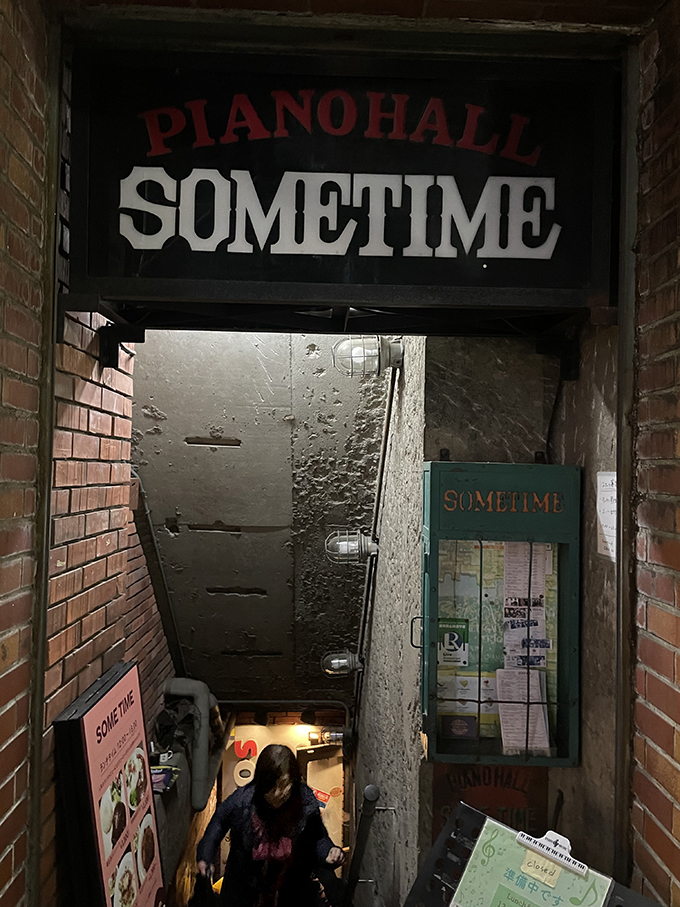
Our good friends Chizuro and Mizuyo had arranged for front row seats for us that evening at the Sometime jazz club 7 PM show The club is located in Musashino, Kichioji and we got there from our house on the Chuo train line. The Trio’s official name is Samurai-Be-Bop and the players include Tomoharu Hani on piano, Yoshihiko Natani on bass and Sonosuke Imaizumi on drums. We loved their music and interacted with them after the show.
We found the whole experience very emotional because the contrast between the artistry of these musicians, influenced of course by a cultural form exported from the USA, stood in stark contrast to the barbaric acts of the US Empire. The bombing and ongoing war with Iran had begun the day we left for Japan. And being in Tokyo you can never escape the fact that the US firebombing of the City on March 10 of 1945, immediately killed more Japanese than either of the horrific A-Bombs dropped in August on Hiroshima and Nagasaki. This is partly why the Japanese Prime Minister Takaichi was left speechless by Donald The Barbarian’s joke on March 19th about the surprise attack at Pearl Harbor.
At the Sometime session we were fortunate to meet and interacted with a young American named Adam Smith who has been living in Tokyo for 12 years and is a practitioner of “Gypsy Jazz”. “Gypsy Jazz” refers to an acoustic guitar, often called a Selmer-Maccaferri guitar, designed for increased volume and the punchy swing sound popularized by Django Reinhardt – himself a Romani gypsy native of Belgium. On March 15th we went to hear Adam and his cohort of Gypsy jazz musicians at The Den, a music club in Koenji.
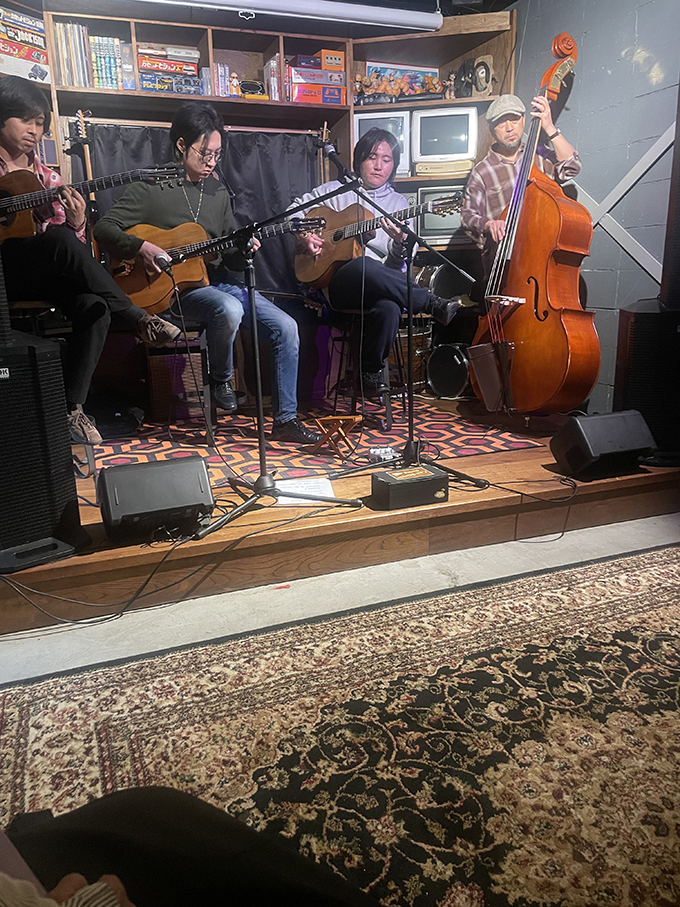
What a night! A total of 8 musicians from various countries all stepped on stage to play the “gypsy” guitars. This was a multinational scene from France, Taiwan, Japan, China, Singapore and the USA that produced some of the most dynamic music we had ever heard.
Upon further investigation we have discovered that the first jazz to arrive in Japan was not imported by Americans but by Filipinos in the 1930’s. But obviously the American occupation from 1945-52, which shaped so much of post war Japan, influenced the music scene greatly. For those interested in the shaping of post war Japan culture and politics, Embracing Defeat by John W. Dower is a wonderful read. And jazz aficionados who visit Tokyo can take cool comfort in the fact that there are over 100 jazz venues in the metropolitan area. We have so far only visited three: Sometime and The Den on this visit, and the Blue Note Tokyo in 2025.
…